You’re considering a septorhinoplasty, but you’re wondering: what is the recovery like?
How long will the swelling last? When can you return to normal activities? And how do you know if you’re healing properly?
In this article, I’ll explain exactly what to expect after your septorhinoplasty, from Day 1 post-op all the way through the full 12-month healing process. You’ll learn how to
- Care for your nose,
- What to avoid during recovery,
- How to maintain your results, and
- When to call your surgeon if something doesn’t feel right.
At Elite Facial Plastic Surgery, we specialize exclusively in facial procedures, providing personalized care from consultation to recovery. I’m Dr. Dominic Castellano, a double board-certified facial plastic surgeon, and I’ve helped hundreds of patients like you improve the function and appearance of their nose for stunning results.
Want to reshape your nose and improve your breathing? Schedule your septorhinoplasty consultation today to learn more about the procedure, recovery, and results.
So, What Is a Septorhinoplasty?
Before we jump into the recovery process, let’s first discuss what a septorhinoplasty actually is.
As the name states, the “septo” part refers to your nasal septum.
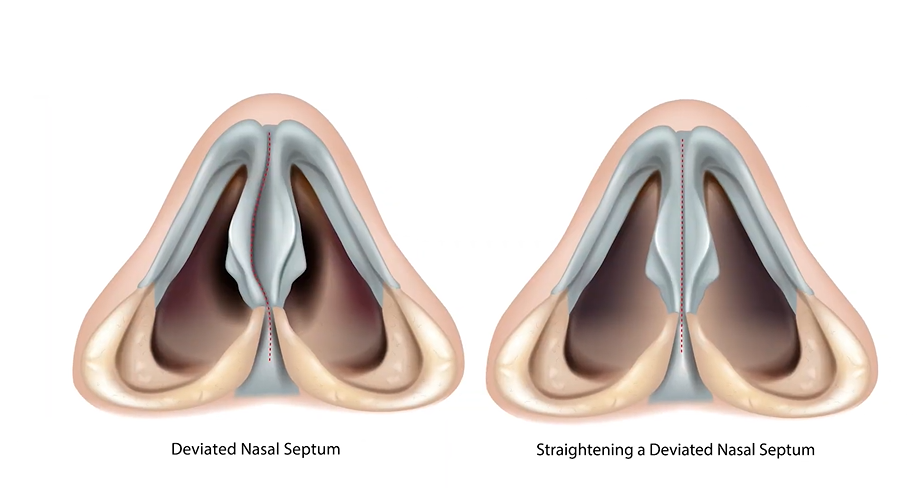
The septum is a midline structure that runs from the front of the nose all the way back. It essentially divides the nose into a right and a left side, much like a wall divides a room into two parts.

The septum is made up of cartilage and bone, and it’s straightened during surgery to improve your ability to breathe through your nose.
Most surgeons will also address the turbinates, which are structures inside the nose that help filter and humidify air. Reducing the size of the turbinates creates more room and helps improve airflow through the nasal cavity.
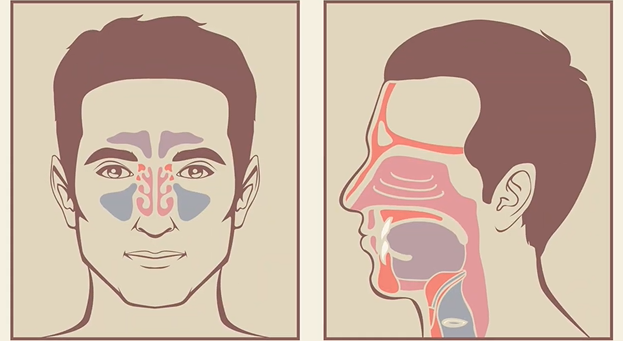
The second part of the procedure, the rhinoplasty, changes the appearance of the nose. This usually addresses both the bone on the upper part and the cartilage on the lower part to reshape and refine the nose according to the patient’s desired result.
Recovering from Septorhinoplasty: Your Healing Timeline
Day 1: Immediately After Surgery
On the day of your surgery, you’ll go home with a splint on your nose. On that first day, you’ll experience significant swelling as you come out of anesthesia, and you’ll be quite sore.
Post-Op Day 1 to Day 7: Rest and Monitoring
The next day (post-op day one), the swelling usually starts to settle. From this point until day seven, you should follow your surgeon’s recommendations and take it easy. This means avoiding strenuous activity and limiting yourself to computer work or answering phone calls.
Normally, patients follow up with me between post-op days 5 to 7. At that visit, we remove the nasal splint and the five small sutures located under the nose. I also re-tape the nose and suction out some internal swelling, especially because the septum was involved.
In my practice, I normally do not use internal nasal splints. The material used inside the nose is absorbable and dissolvable, so there’s nothing coming out.
Week 2: Gradual Return to Normal
From post-op day 7 to day 14, you should continue to take it easy. I usually see patients back on day 14 to make sure you’re healing well and to answer any questions.
At this 14-day mark, most patients can resume normal activities.
1-Month Follow-Up: Breathing Improves
Your next follow-up is at the 1-month mark. At this point, I’ll answer any questions and make sure everything is healing well. By this follow-up, you should be breathing better if you’ve had your septum corrected.
3-Month Follow-Up: Monitoring Long-Term Healing
Your next appointment will be your 3-month follow-up. Again, I’ll make sure you’re healing well and breathing properly. After this, I normally have my patients follow up at 3-month intervals.
If you’ve done any reading on rhinoplasty healing, you’ll see that it normally takes about 9 to 12 months to heal completely.
What to Avoid During Recovery
So, what should you avoid during septorhinoplasty recovery?
Avoid vigorous activity. The dilemma here is that everyone defines “vigorous” differently.
I tell my patients to keep it simple: stick to light tasks like working on a computer or answering phone calls. I strongly recommend avoiding any heavy lifting, bending over, or blowing your nose.
If you need to sneeze, try to do so with your mouth open to avoid pressure in your nose. Avoid anything that might increase pressure in the head or neck area.
Maintaining Your Septorhinoplasty Results
How do you get the best results from your septorhinoplasty?
I can’t stress this enough: follow your surgeon’s recommendations. Take it easy and give your nose time to heal.
Make sure you follow up with your surgeon, and take care of the incision site. This typically involves applying a very small amount of sunscreen on a continual basis, and if you like, you can apply vitamin E oil to the incision.
When to Call Your Doctor During Recovery
So, how do you know if something’s wrong?
What I usually tell patients is this: each day should get better after surgery. If you notice increasing discomfort, redness, fevers, or chills, or if your symptoms worsen instead of improve, you should call your doctor immediately.
Breathe Easier & Enhance Your Nose with Elite Facial Plastic Surgery
If the shape of your nose is affecting your confidence or your breathing, Dr. Dominic Castellano can help. With years of experience in septorhinoplasty, he combines advanced surgical techniques to improve your nasal function and aesthetics.
Book your consultation today. Let’s create the nose you’ve always wanted.